
Pre-filled syringe (PFS) filling and stoppering operations require extreme precision to avoid plunger tilt and glass flange fractures. This technical project study covers the engineering overhaul of a 24-station automated nest de-nesting and transfer system for a leading sterile pharmaceutical manufacturer.
Challenges in Syringe Nest De-nesting
During high-speed aseptic processing, slight variances in plastic nest geometry and flange tolerances caused recurring operational bottlenecks inside the containment enclosure.
Nest Warpage & Gripper Misalignment
Thermoformed plastic nest warpage caused mechanical gripper misalignment, resulting in intermittent container hang-ups, micro-vibrations, and frequent emergency line stops.
RABS Barrier Sterility Breach Risks
Manual operator interventions through RABS barrier glove ports to clear misaligned syringes created unacceptable contamination risks and prolonged downtime.
Vedax High-Precision Format Redesign
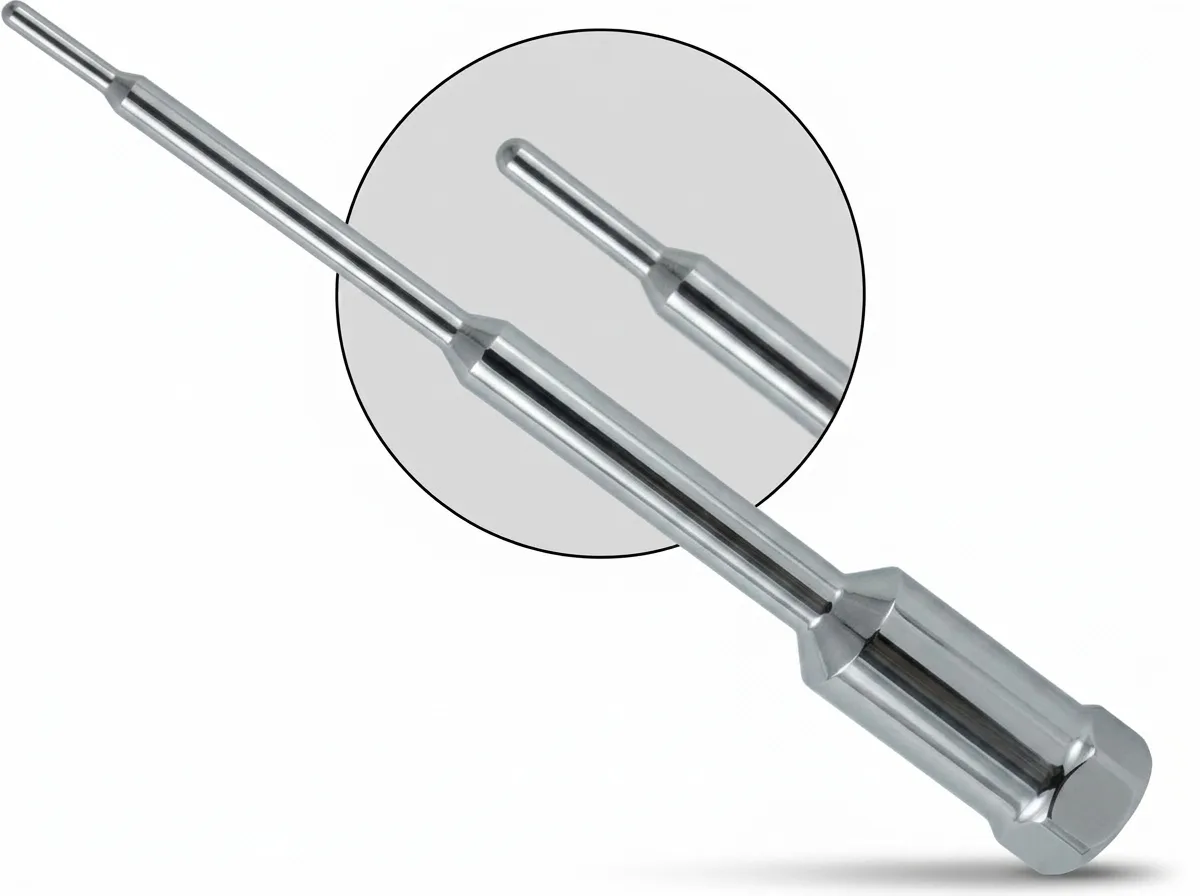
To eliminate manual interventions and protect glass barrel integrity, Vedax Pharma Mach engineered a custom-machined format tooling changeover assembly.
Servo-Driven Vacuum Pick-and-Place Kinematics
We integrated servo-driven pick-and-place grippers with adaptive spring compliance, allowing the tooling to absorb nest dimensional tolerances smoothly without stressing syringe flanges.
Mirror-Polished SS 316L Syringe Guide Channels
Syringe guide tracks were manufactured from ASME BPE SS 316L with internal electropolishing (Ra ≤ 0.2 µm), ensuring frictionless guidance during high-speed transfer.
Outcome: 99.4% Line OEE
The re-engineered format changeover kit transformed line reliability across continuous multi-shift production batches.
Zero Micro-Stoppages & Unscheduled Interventions
Flange micro-cracks and gripper misfeeds dropped to zero, eliminating all unscheduled isolator door openings and barrier breaches.
Quantifiable Line OEE & Yield Increase
Overall Equipment Effectiveness (OEE) rose from 84.1% to 99.4%, yielding an estimated annual production increase of over 1.2 million finished sterile units.